Winter HVAC Checklist for Louisville Homeowners
Louisville winters can be unpredictable. One week might bring mild days in the 50s, and the next could drop into the 20s with wind that cuts right through. Your heating system has to be ready for both the steady cold and those sudden temperature swings we get here in Kentucky.
At Baker’s Heating and Air Conditioning, we’ve helped Louisville families prepare for winter since 1954. A little proactive attention now can prevent uncomfortable nights, higher energy bills, and emergency repair calls later. Here’s a straightforward checklist we recommend to our neighbors every fall.
1. Replace or Clean Your Air Filter
This is the simplest and most important step. A dirty filter restricts airflow, forces your furnace or heat pump to work harder, and can even cause the system to overheat and shut down.
Check the filter monthly during heating season. Most homes need a new one every 1–3 months, depending on pets, dust, and how often the system runs. Write the date on the new filter so you remember when it went in.
2. Test Your Thermostat
Make sure the thermostat is accurately reading the temperature and responding when you adjust it. If you have a programmable or smart thermostat, double-check that the winter schedule is set the way you want it.
Replace the batteries if it uses them. A dead battery is one of the most common reasons a heating system suddenly stops working on a cold morning.
3. Schedule Professional Furnace or Heat Pump Maintenance
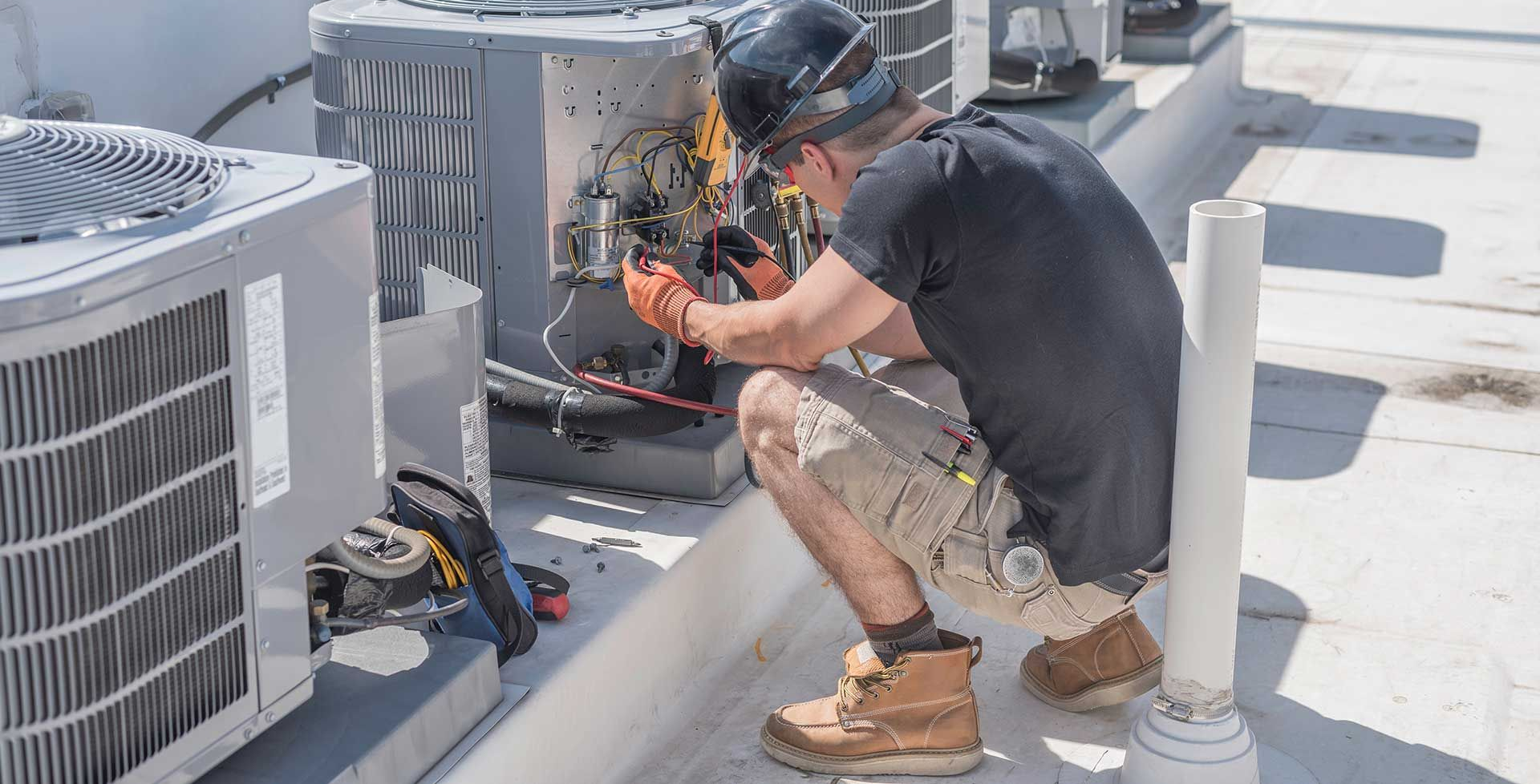
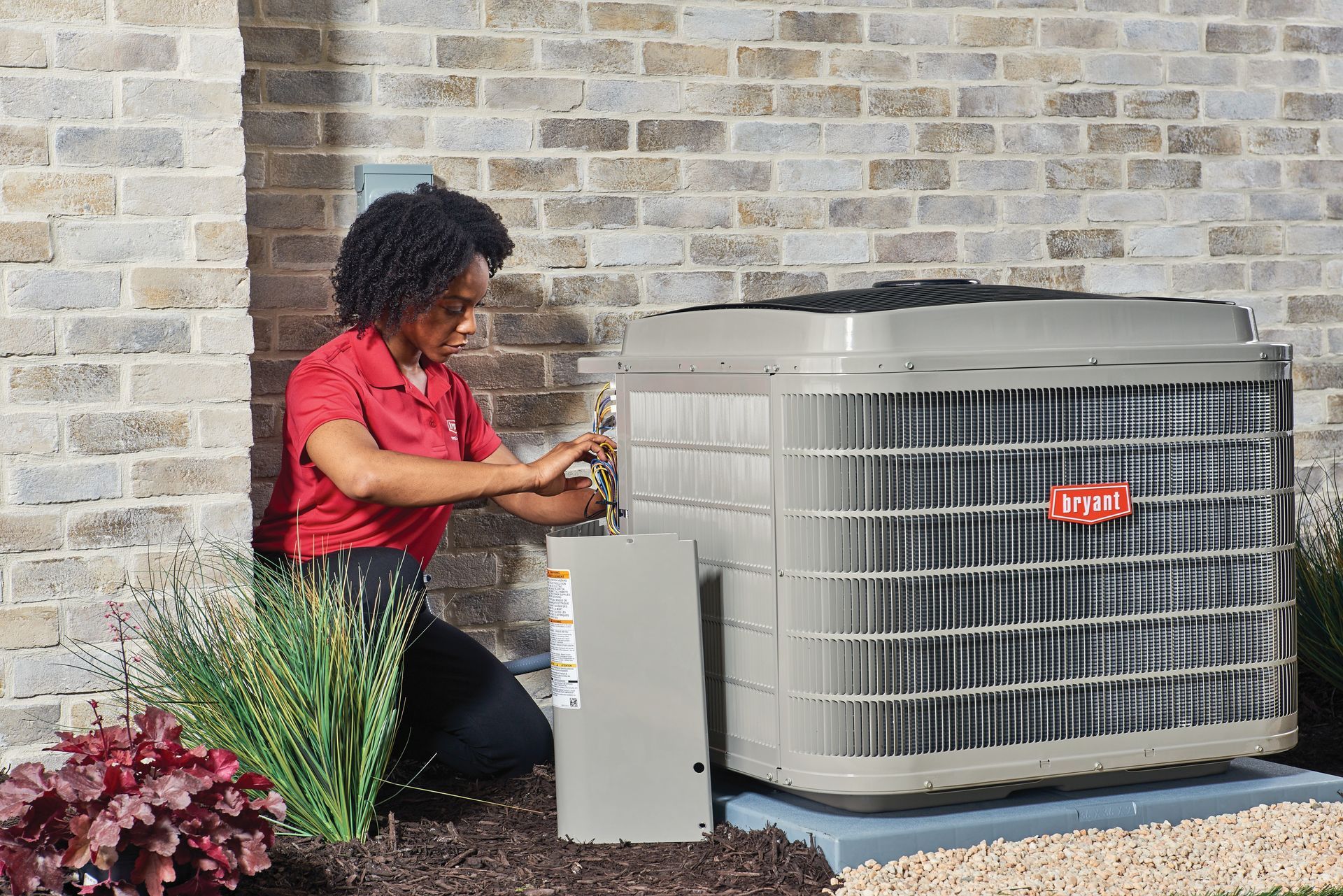
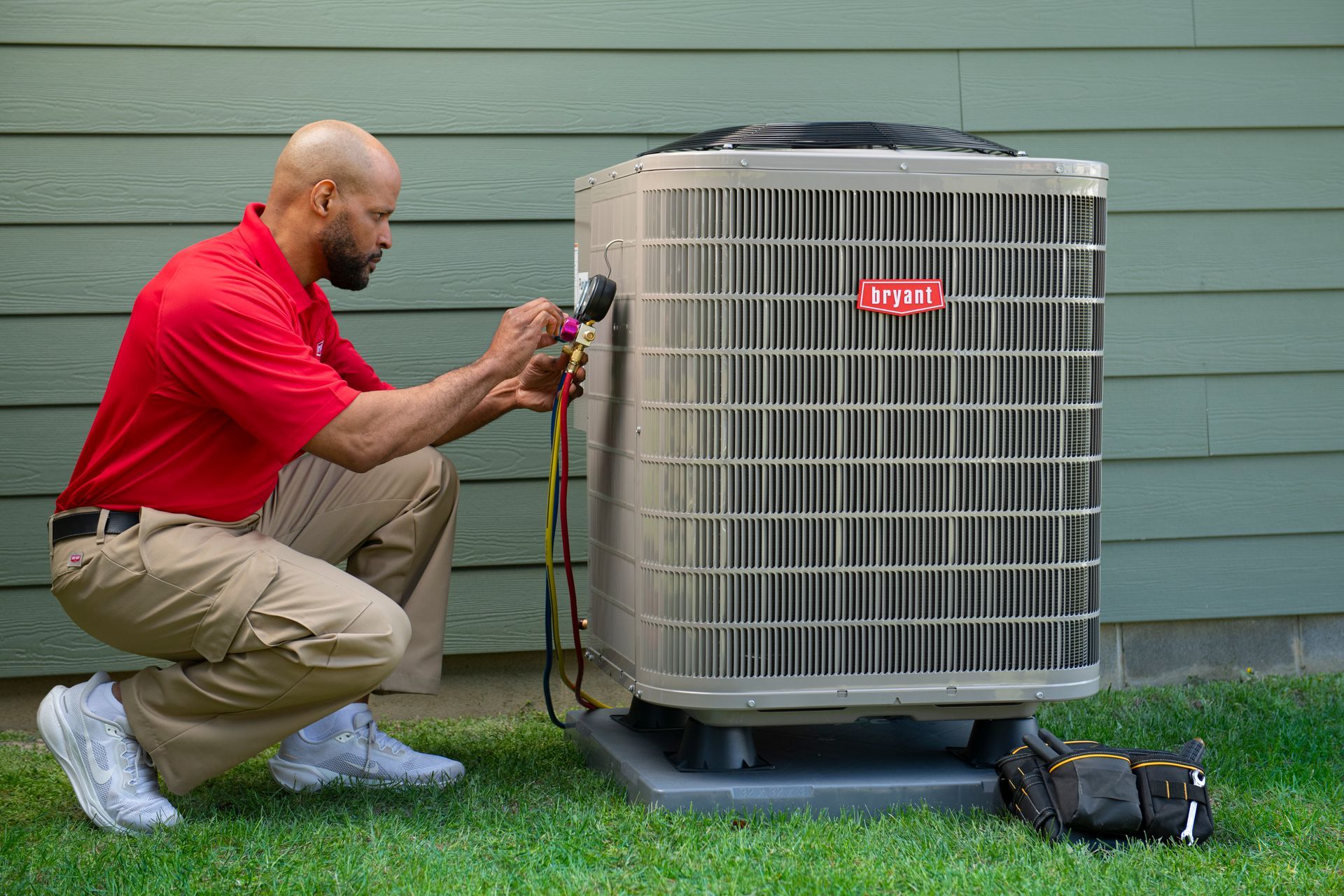
Annual maintenance is the best way to catch small issues before they become expensive problems. During a tune-up, a technician will:
- Clean and inspect key compoents
- Check the heat exchanger for cracks (a serious safety concern)
- Test safety controls and ignition systems
- Measure airflow and system performance
- Make sure everything is operating efficiently
Fall is the ideal time to get this done in Louisville, before the first real cold snap hits and service schedules fill up.
4. Clear the Area Around Your Outdoor Unit
If you have a heat pump or a dual-fuel system, the outdoor unit needs clear space to work properly. Remove leaves, debris, and any items stored nearby. Make sure snow and ice don’t pile up against it during winter storms.
Keep at least two feet of clearance on all sides so airflow isn’t blocked.
5. Check Your Vents and Returns
Walk through the house and make sure supply vents and return grilles aren’t blocked by furniture, rugs, or curtains. Closed or obstructed vents force the system to work harder and can create uneven heating.
Open all the vents you normally use. If some rooms still feel colder than others, note it—your technician can help diagnose airflow or duct issues.
6. Inspect and Replace Carbon Monoxide Detectors
Furnaces that burn natural gas or propane produce carbon monoxide if something goes wrong. Working detectors are essential.
Test every detector in the house and replace any that are outdated (most last 5–7 years). Install them on every level of the home, especially near sleeping areas.
7. Look Over Weatherstripping and Insulation
Your HVAC system doesn’t have to work as hard when warm air stays inside. Check doors and windows for drafts. Replace worn weatherstripping and consider adding insulation in the attic if it’s inadequate.
These steps improve comfort and help keep energy bills more reasonable during long cold stretches.
8. Know the Warning Signs of Trouble
Keep an eye (and ear) out for:
- Unusual noises when the system starts or runs
- Frequent on-and-off cycling
- Rooms that never seem to warm up evenly
- A sudden spike in your energy bill
- Any smell of gas or a persistent burning odor
If something feels off, don’t wait. Addressing small problems early is almost always less expensive than dealing with a full breakdown on the coldest night of the year.
Why This Matters in Louisville
Our winters aren’t the longest in the country, but the combination of cold snaps, temperature swings, and the occasional ice or snow event puts real demand on heating equipment. Systems that haven’t been maintained are more likely to struggle or fail when you need them most.
Taking care of these checklist items gives your system the best chance of running reliably and efficiently all season.
Ready for a Professional Check?
If you’d rather have a licensed technician handle the inspection and tune-up, we’re here to help. Baker’s is a local, family-owned company that treats every customer like a neighbor. We offer honest recommendations, quality workmanship, and financing options when repairs or a new system make sense.
Day or Night, We Fix it Right.
Call us at (502) 937-4696 or request service online to schedule your winter HVAC checkup. A little preparation now means a more comfortable, reliable winter in your Louisville home.