How Extreme Temperature Swings Affect Your Heating and Cooling System
If you’ve lived in Louisville for any length of time, you know the weather doesn’t like to stay in one lane. One day you’re reaching for a light jacket, the next you’re flipping the thermostat from heat to cool (or vice versa). Those rapid ups and downs feel normal to us, but they’re hard on your heating and cooling system.
At Baker’s Heating and Air Conditioning, we’ve been taking care of Louisville homes since 1954. We’ve seen firsthand how these temperature swings wear equipment down faster than steady weather ever could. Here’s what’s actually happening inside your system and what you can do about it.
Why Temperature Swings Are Tough on HVAC Equipment
Your furnace and air conditioner are built to handle seasonal changes. What they don’t handle as well is constant back-and-forth demand.
When outdoor temperatures jump 20, 30, or even 40 degrees in a short stretch, your system has to keep adjusting. It turns on more often, runs shorter cycles, and switches between heating and cooling modes more than it would in a more stable climate. That extra activity adds up.
Think of it like driving a car in stop-and-go traffic versus highway cruising. The constant starting and stopping puts more wear on the engine, transmission, and brakes. Your HVAC system experiences something similar.
The Main Ways Temperature Swings Cause Stress
More Frequent Cycling
In milder, steadier weather, your system might cycle a handful of times a day. During Louisville’s shoulder seasons—or those sudden warm-ups and cold snaps—it can cycle far more often. Every start-up puts extra load on the blower motor, compressor, ignitor (in furnaces), and electrical components. Over time, that accelerates wear.
Thermal Expansion and Contraction
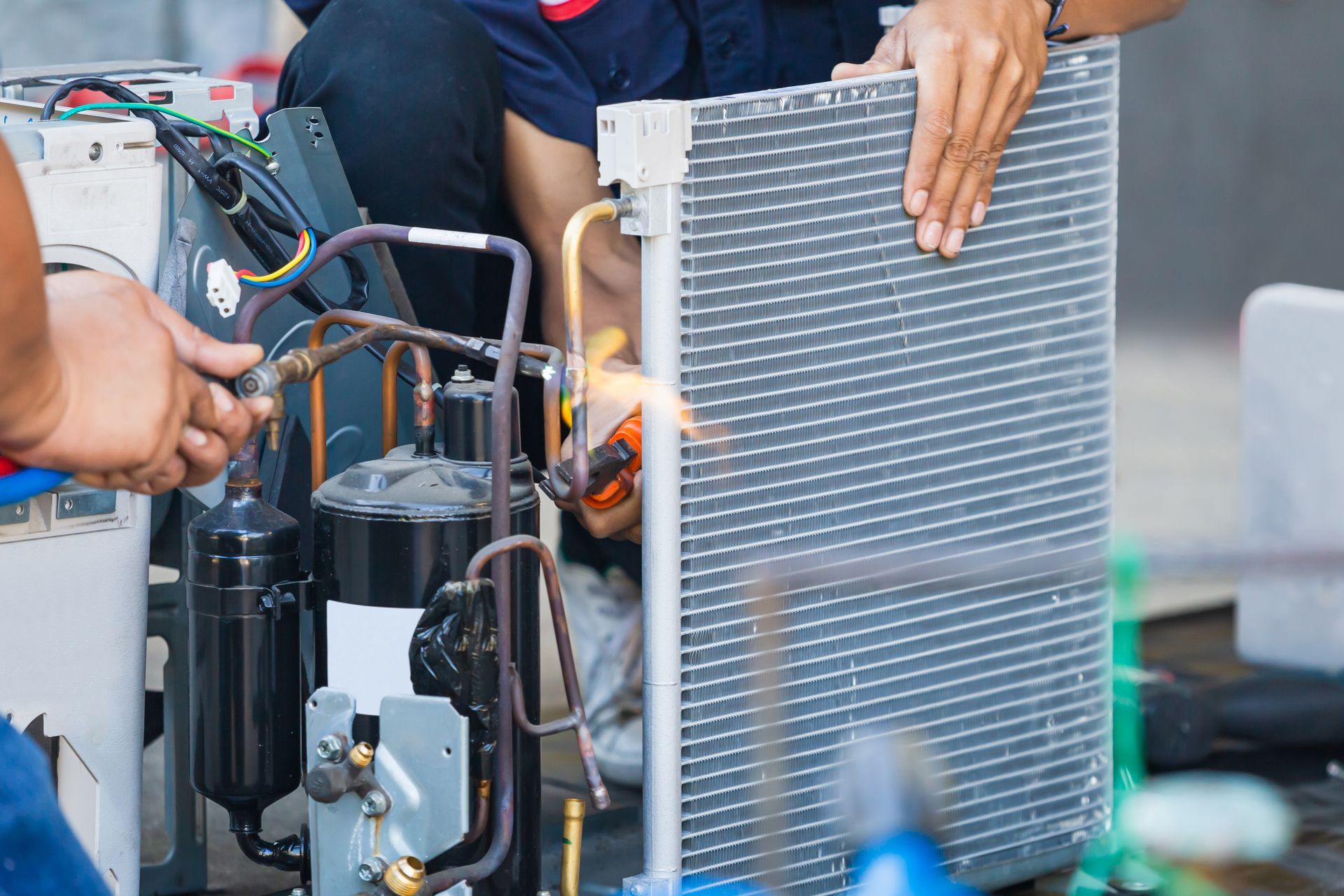
Metal parts expand when they heat up and contract when they cool down. Heat exchangers, refrigerant lines, ductwork, and connections all go through this process. When temperature swings force the system to heat and cool repeatedly in short periods, that expansion and contraction happens more aggressively. In older systems, it can loosen joints, create small gaps in ductwork, or, in severe cases, contribute to cracks in a heat exchanger.
Higher Energy Use and Reduced Efficiency
A system that is constantly ramping up and shutting down rarely reaches its most efficient operating range. You may notice higher utility bills during transitional months even if outdoor temperatures don’t seem extreme. The equipment is working harder just to keep up with the changing load.
Humidity and Comfort Challenges
Louisville’s humidity already makes cooling more demanding. When temperatures swing quickly, the system may cool the air but not run long enough to pull out enough moisture—or it may over-dry the house during heating cycles. Either way, comfort suffers.
Signs Your System Is Feeling the Strain
Watch for these common indicators after big weather shifts:
- The system turns on and off more frequently than usual
- Uneven temperatures from room to room
- New or louder noises during start-up or operation
- Longer run times without reaching the set temperature
- Higher-than-expected energy bills
- A musty smell or noticeable change in humidity levels
These don’t always mean something is broken right away, but they often signal that components are working harder than they should.
What You Can Do to Protect Your System
You can’t control the weather, but you can reduce the stress it puts on your equipment.
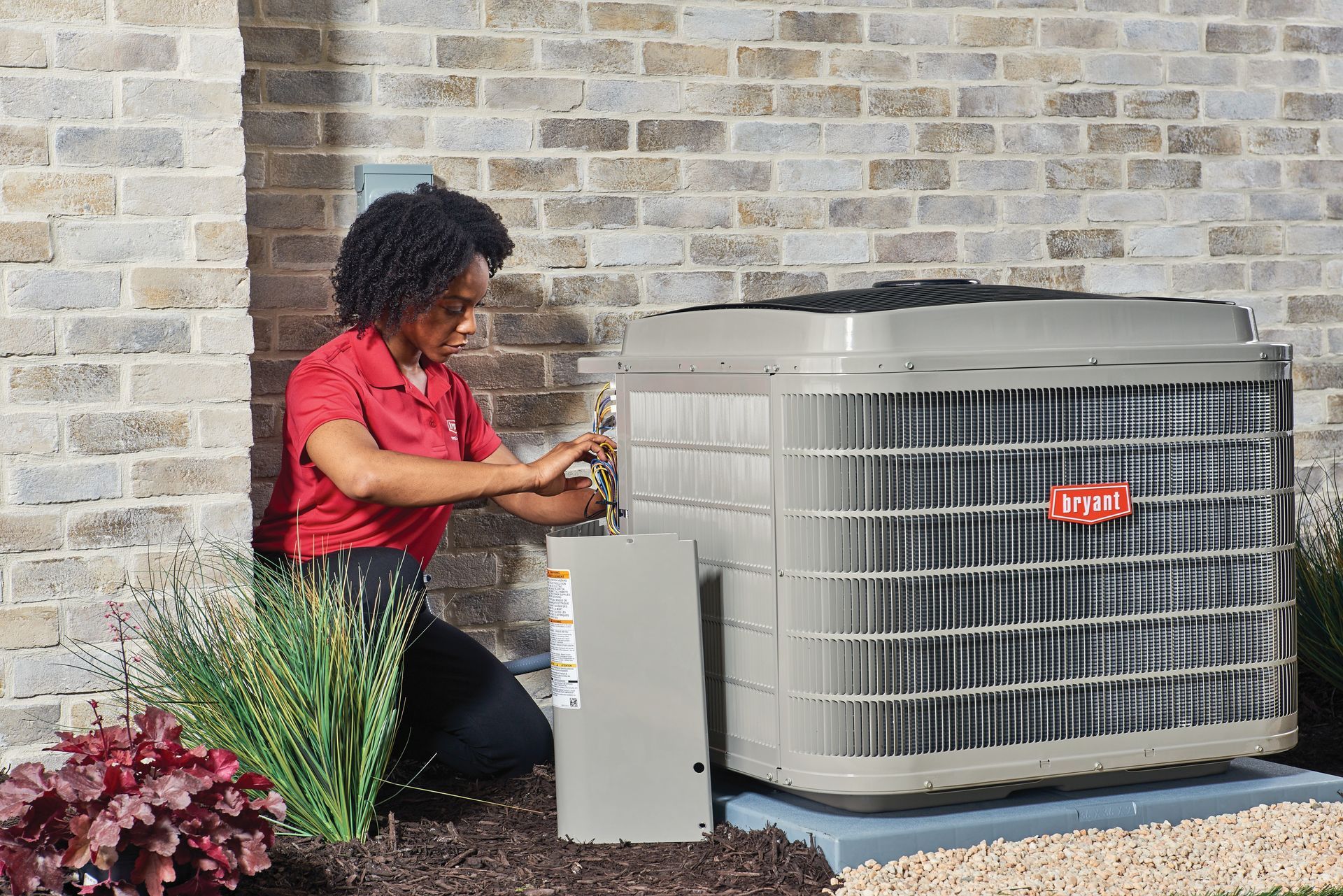
Keep up with regular maintenance. A clean filter, properly charged refrigerant, and well-lubricated moving parts help the system handle extra cycling more gracefully. Fall and spring tune-ups are especially valuable in our climate.
Use moderate thermostat settings. Large setbacks or aggressive temperature changes force the system to work harder. Small, gradual adjustments (or a programmable/smart thermostat) are easier on the equipment.
Make sure your system is the right size. An oversized unit short-cycles more easily during mild weather. An undersized one runs almost nonstop during extremes. Both situations wear parts out faster.
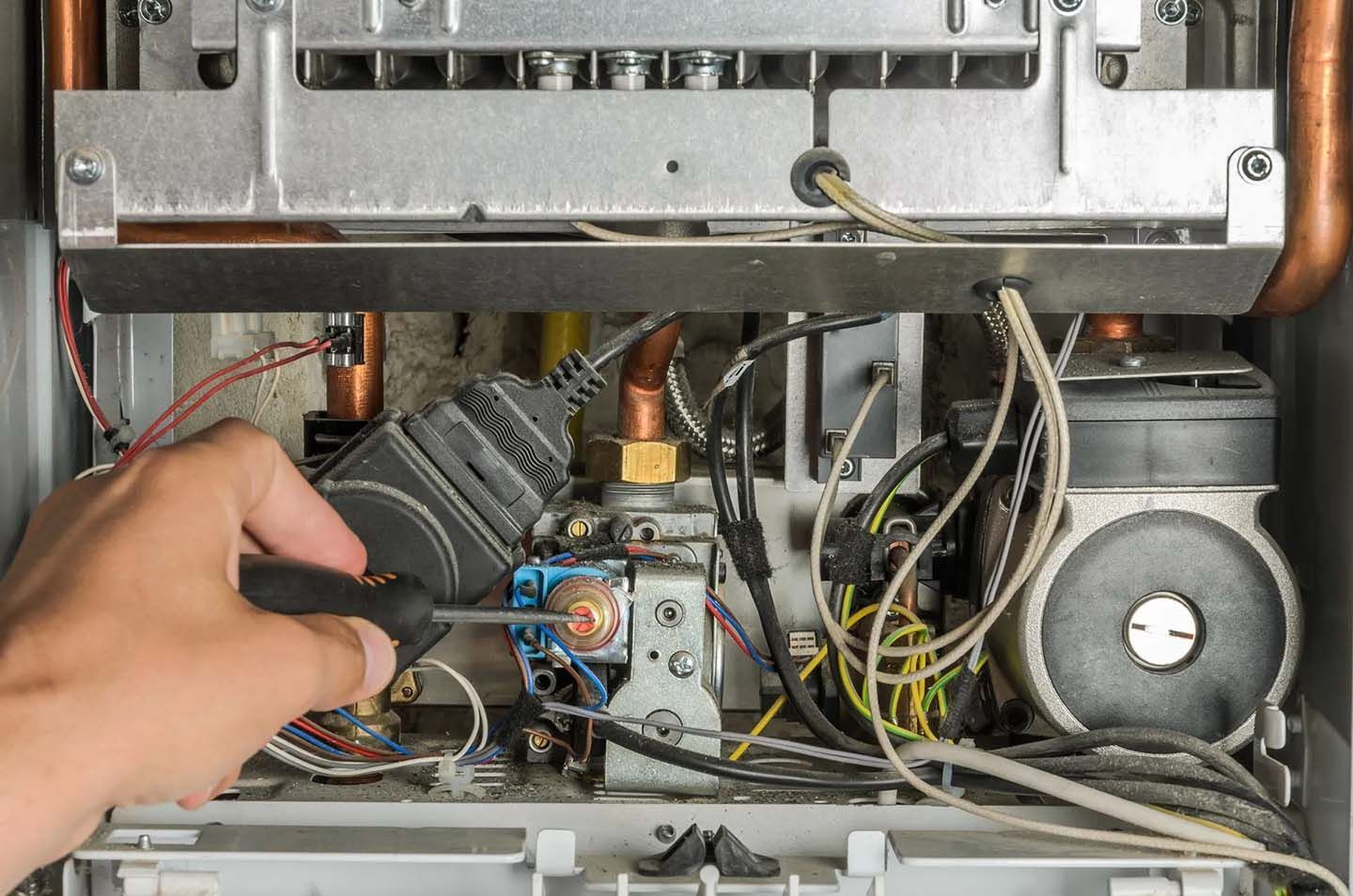
Address small issues early. Loose connections, restricted airflow, or a dirty coil become bigger problems when the system is under extra demand.
How Baker’s Can Help
We’re a local, family-owned company that understands Louisville weather because we live it too. Our technicians see the effects of these temperature swings every season—on furnaces, air conditioners, and heat pumps alike.
Whether you need a seasonal tune-up, a repair after a sudden cold snap or heat wave, or advice on whether it’s time to consider a more efficient system, we’re here. We offer straightforward service, competitive pricing, and financing options when replacement makes more sense.
Day or Night, We Fix it Right.
If your heating or cooling system has been working overtime through recent temperature swings, give us a call at (502) 937-4696 or request service online. A little attention now can prevent bigger headaches when the next big swing rolls through.